
Agricultural land advisory
Buying Agricultural Land, Done Legally and Verified Completely
Agricultural land is land classified for farming. Investors buy it for cultivation, farmhouse use, or long-horizon appreciation, often with a plan to convert it to non-agricultural use later. But agricultural land carries India's strictest buying rules: in several states, non-farmers face restrictions on who may purchase it. AcreFlow verifies your eligibility to buy, the title and records, and the realistic conversion path, before you commit a rupee. It is the most rule-bound land category, and the one where expert diligence matters most.
Who this is for
Why Investors Buy Agricultural Land
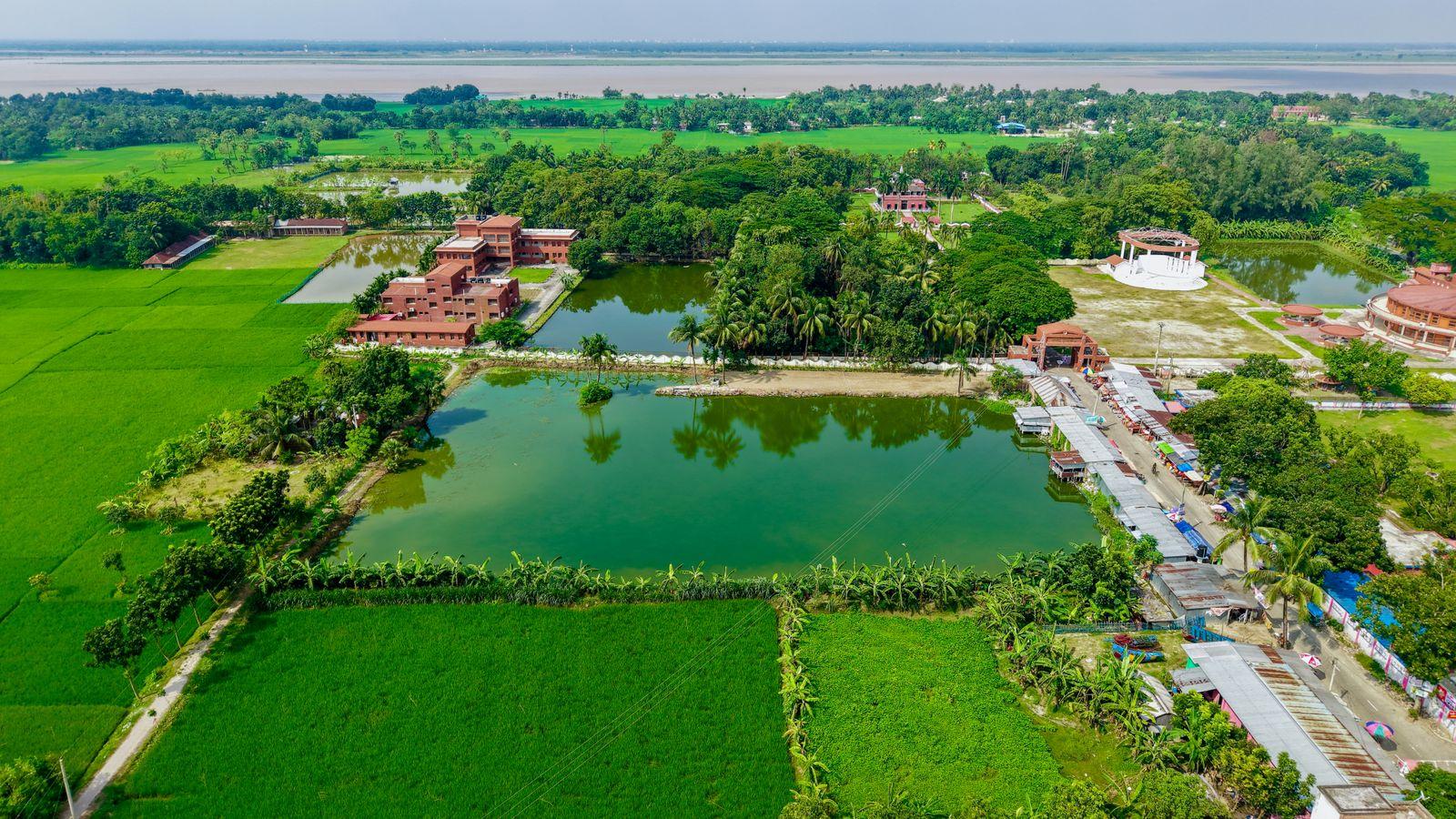
Agricultural land attracts three kinds of buyer. Some want to farm or hold farmland as a productive asset. Some want a farmhouse: a weekend place, an orchard, a piece of quiet two hours from the city. And many are playing the long game: buying agricultural land early in a growth corridor, with the intent of a lawful conversion to residential or industrial use as the area develops, capturing the large value uplift that conversion can bring.
All three strategies can work. All three are also where the most land fraud and the most legal complexity live. Agricultural land has the oldest records, the most heirs, the most restrictions, and the most misinformation. This is the category where a specialist advisor is not a luxury.
First question
Before Anything Else: Can You Legally Buy It?
For agricultural land, the first question is not price or location. It is whether you are even permitted to buy the parcel. In several Indian states, the purchase of agricultural land by people who are not agriculturists is restricted or requires specific permissions, with defined exceptions in certain notified areas and for certain uses.
Get this wrong and no diligence on the rest matters, because the transaction itself may be void. So it is the first thing AcreFlow establishes: whether you can lawfully buy the specific parcel, through which route, and what permissions it requires. We tell you plainly, before any money or emotion is committed.
What we verify
The Full Agricultural Land Diligence
Buyer eligibility whether you may lawfully purchase this parcel, and through which route.
Record of rights (7/12 / satbara) the record of rights and cultivation matched against the ground reality. Note: the record of rights is not itself a title deed; ownership must be confirmed through registered deeds.
Title chain a clean 30-year chain of registered sale and transfer deeds.
Mutation entries the history of record updates traced and reconciled.
Succession and heirship all legal heirs identified and consenting, so no claimant surfaces years later.
Encumbrance no agricultural loans, mortgages, or charges registered against the land.
Litigation court records searched for disputes touching the land or its owners.
Tenancy and cultivator rights third-party cultivator or tenancy rights that can restrict a sale, identified.
Zoning and conversion feasibility the land's zone, and whether a lawful NA conversion path realistically exists, at what cost and over what timeline.
Boundary survey measured on the ground against the record.
Agricultural land is where “the papers are fine” hides the most. A clean-looking record of rights means nothing without the title deeds, the heirs, and the tenancy position behind it. That is exactly the gap we close.
How we advise
The Path From Agricultural to Non-Agricultural Use
Much of the wealth created in land comes from a single event: converting agricultural land to non-agricultural use, so it can be built on. A parcel bought as farmland at farmland prices can be worth far more once it is lawfully converted for residential or industrial use ahead of an area's development.
But conversion is not automatic and not guaranteed. It is governed by state law and the local planning authority, and it depends on zoning, the development plan, and permitted use. Two adjacent parcels can have completely different outcomes. Recent reforms in Maharashtra have in some cases integrated conversion with planning approvals, streamlining it where the intended use matches the sanctioned plan, but compliance, zoning confirmation, and clearances still apply.
AcreFlow assesses the conversion feasibility for a specific parcel, its realistic timeline and cost, before you build a strategy on it. And where conversion makes sense, we manage the process and the resulting record updates. We never sell a conversion as a certainty, because presenting it as guaranteed is exactly how buyers get misled.
On the ground
Our Current Focus Regions
AcreFlow advises on agricultural and farmhouse land across India's high-growth corridors, with current on-ground focus in Pune, the Mumbai and Navi Mumbai region, and the Mumbai-Pune corridor, including the agricultural belt around the new Navi Mumbai airport where conversion-led opportunities are emerging. If you are evaluating agricultural or farmhouse land in these regions, we can move quickly.
Questions
Frequently Asked Questions
Can anyone buy agricultural land in India?
Not everywhere. In several Indian states, only agriculturists may buy agricultural land, or non-agriculturists need specific permission, with exceptions in certain notified areas and for certain purposes. The rules vary significantly by state. Buying a parcel you are not eligible to own can make the transaction void. This is the first thing AcreFlow checks: whether you can lawfully buy a specific parcel, and through which route.
What is a 7/12 extract (satbara), and does it prove ownership?
A 7/12 extract, or satbara, is a record of rights used for agricultural land in Maharashtra, showing survey details, holders, and cultivation. Importantly, it is not a title deed and does not by itself prove absolute ownership. Legal title must be confirmed through registered sale deeds and an encumbrance search. AcreFlow verifies the record of rights alongside the full title chain, never relying on the extract alone.
How does agricultural to non-agricultural (NA) conversion work?
NA conversion is the legal process of changing land use from agricultural to non-agricultural, so the land can be built on for residential, commercial, or industrial purposes. It is governed by state law and the local planning authority and depends on zoning and the development plan. It is parcel-specific and not guaranteed. AcreFlow assesses whether a lawful conversion path exists for a given parcel, its cost and timeline, before any commitment.
Is agricultural land a good investment?
It can be, especially when bought early in a growth corridor with a lawful conversion path, since converting farmland to buildable land can create large value. But it is the most rule-bound and fraud-prone land category, carrying eligibility restrictions, tenancy complications, and heirship risk. The upside is real; so is the downside. Rigorous, specialist diligence is what makes agricultural land an investment rather than a gamble.
What are the biggest risks when buying agricultural land?
The main risks are buyer ineligibility (making the purchase void), unclear title behind a clean-looking record of rights, undisclosed legal heirs who later claim the land, tenancy or cultivator rights that restrict sale, hidden agricultural loans, and assuming conversion is guaranteed when it is not. Each of these is a standard part of AcreFlow's agricultural land diligence, checked before a parcel is ever presented to a client.
Can I build a farmhouse on agricultural land?
Rules on building on agricultural land, including farmhouses, vary by state and are subject to conditions and limits, and in many cases require conversion or specific permission. What is allowed on one parcel may not be allowed on another. AcreFlow verifies what can lawfully be built on a specific parcel before you buy it for farmhouse use, so the plan you have for the land is one the law actually permits.
The other three
Other land types we advise on
Talk to Us Before You Buy Agricultural Land
This is the land category where a single missed check costs the most. Start with a conversation about the parcel you are considering.
Last reviewed: September 2026